Find sensitive data, understand who can access it, and fix risky exposure across cloud, SaaS, databases, and hybrid environments before it becomes a breach.
Designed for security, compliance, cloud, and data governance teams.
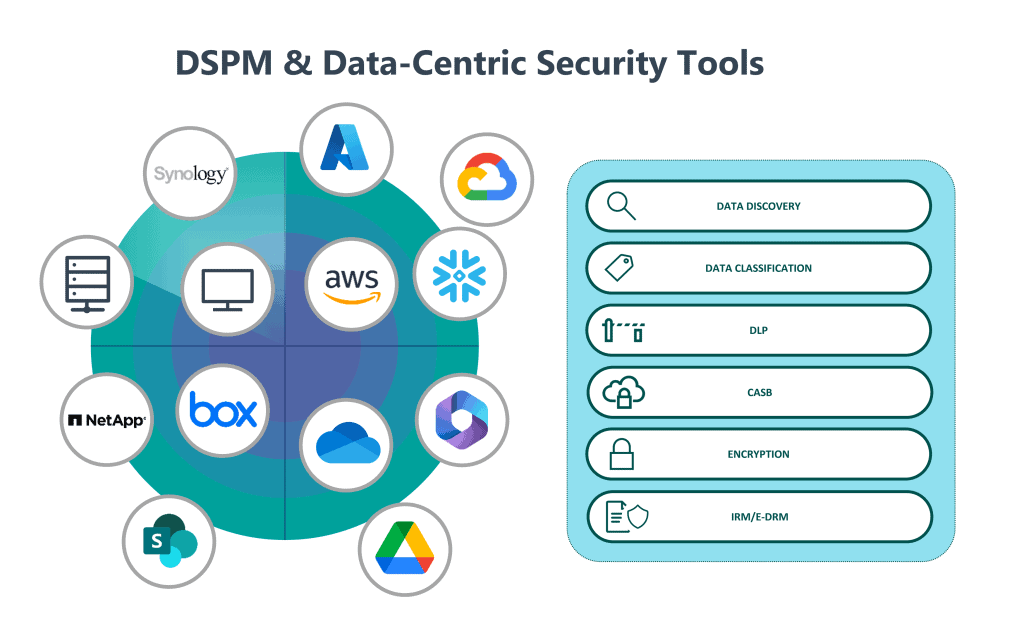
Rank exposure by sensitivity, access, location, and business impact.
Continuously detect policy drift, over-permissioning, and risky sharing.
Support compliance workflows with clear reporting and ownership.
Physics Cyber combines data discovery, classification, access intelligence, and remediation guidance into a practical DSPM program aligned to your security operations.
Identify regulated, confidential, and high-value data across structured and unstructured repositories.
Understand movement between cloud services, users, third parties, and critical workloads.
Detect excessive privileges, public exposure, stale accounts, and risky sharing patterns.
Create evidence for privacy, governance, and SOC 2 readiness.
Cloud adoption, SaaS collaboration, and AI workflows make data harder to govern. DSPM gives teams a living inventory of sensitive data, context-rich risk scoring, and clear remediation paths.
For deeper defense-in-depth, DSPM can work alongside Cloud Security Posture Management (CSPM), Cloud Infrastructure Entitlement Management (CIEM), and data center security programs.
“The fastest way to reduce data risk is to make sensitive data visible, accountable, and continuously governed.”
Physics Cyber Advisory Team
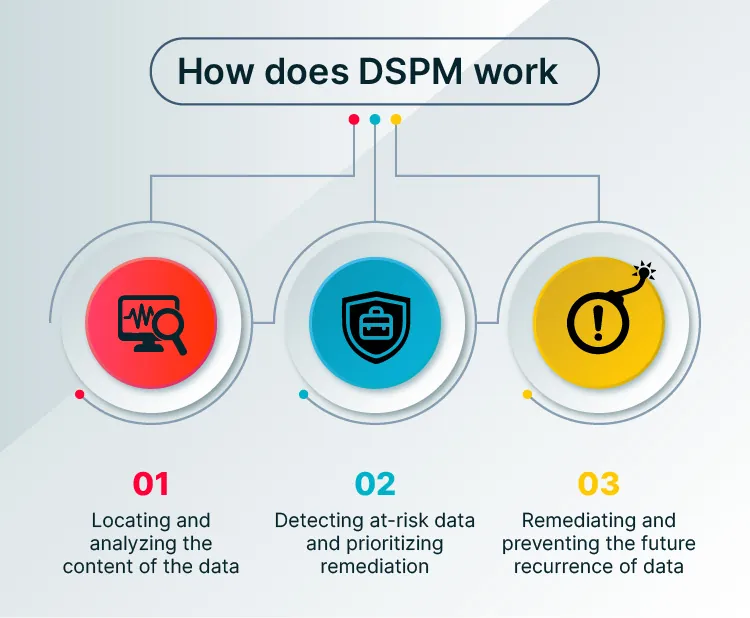


We help you move from discovery to measurable risk reduction with a phased, business-aligned approach.
Inventory repositories, cloud accounts, SaaS platforms, databases, and critical business systems.
Label sensitive data, map owners, and enrich findings with access and exposure context.
Score exposure based on sensitivity, public access, identity risk, and business criticality.
Apply least privilege, fix misconfigurations, create evidence, and monitor posture continuously.
Tell us about your environment and we will recommend a DSPM assessment path. We reply within 24h.
No. DSPM can cover cloud storage, SaaS apps, databases, data warehouses, and hybrid repositories.
DLP focuses on blocking data loss events. DSPM focuses on discovering sensitive data, understanding exposure, and improving posture before incidents occur.
Yes. It helps teams identify impacted data, owners, access paths, and priority containment actions.
Email: hello@physicscyber.com
Phone: +62 853-8522-8240
Build a DSPM program that helps your team reduce exposure, support audits, and strengthen cyber resilience.
With a focus on cyber security and reliable server solutions, we deliver trusted services that keep your systems running smoothly and your data protected.