
What Is Data Loss Prevention? Protecting Your Digital Assets
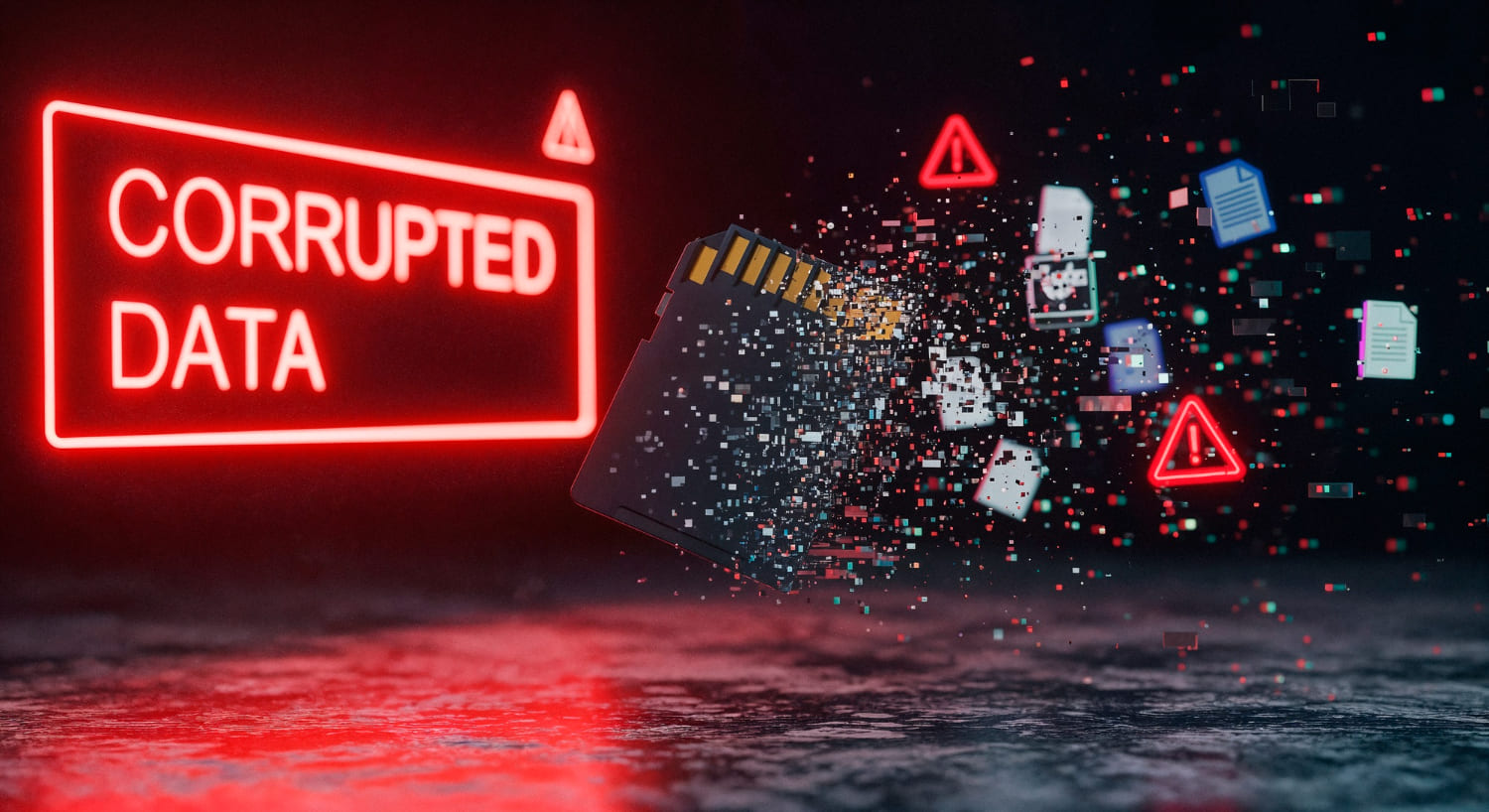
In an era where data is more valuable than oil, losing sensitive information isn’t just a technical glitch—it’s a business catastrophe. Whether it is a malicious hacker stealing customer credit card numbers or an employee accidentally emailing a confidential spreadsheet to the wrong person, data leaks happen every day. This is why understanding What Is Data Loss Prevention (DLP) has become a top priority for organizations of all sizes in 2026.
DLP is a strategy that ensures your sensitive data does not leave the corporate network. It acts as a digital safety net, identifying, monitoring, and protecting data while it’s in use, in motion across the network, or at rest in storage. Without a solid DLP plan, your company remains vulnerable to massive fines, legal battles, and a ruined reputation.
1. How Data Loss Prevention Works
DLP software uses business rules to classify and protect confidential information. For instance, if a file contains patterns resembling social security numbers or bank account details, the system flags it. Depending on the settings, the DLP tool can block the transfer, encrypt the file, or alert the security team in real-time.
To implement these protections effectively, many companies seek professional cyber security services to audit their current vulnerabilities. These experts help configure DLP tools so they don’t block legitimate work while still stopping high-risk activities. By integrating DLP into your daily operations, you turn your security from a reactive “firefighting” mode into a proactive defense shield.
2. The Three States of Protected Data
To truly grasp What Is Data Loss Prevention, you must understand the three different states of data that the system monitors. Each state requires a specific type of protection to ensure no “leaks” occur in the digital pipeline.
-
Data in Use: This refers to data that employees are currently working on. DLP monitors actions like printing, copying to a clipboard, or uploading to personal cloud storage.
-
Data in Motion: This focuses on data traveling across the network, such as emails, instant messages, or web traffic.
-
Data at Rest: This involves data stored on hard drives, databases, or cloud servers that isn’t currently being accessed.
Most organizations align their DLP strategy with a recognized cybersecurity framework to ensure they meet global compliance standards like GDPR or HIPAA. Using a framework provides a roadmap for identifying which data is “mission-critical” and needs the highest level of monitoring.
Comparison: DLP Deployment Models
Choosing the right DLP tool depends on where your data lives. Here is a comparison of the most common deployment types:
| DLP Type | Focus Area | Best For | Key Feature |
| Endpoint DLP | Individual devices (Laptops, PCs) | Remote teams & offline work | Blocks USB drives & screen captures |
| Network DLP | Corporate web & email traffic | Monitoring data in transit | Inspects encrypted email attachments |
| Cloud DLP | SaaS apps (Google Drive, Office 365) | Hybrid & Cloud-first businesses | Scans cloud storage for sensitive files |
| Discovery DLP | Servers & Databases | Finding “dark data” | Locates forgotten sensitive files |
3. Why Every Business Needs DLP in 2026
The threat landscape has evolved. Hackers are smarter, and regulations are stricter. Here are the primary reasons why What Is Data Loss Prevention is a question every CEO should be asking:
-
Compliance Requirements: Laws like the UU PDP in Indonesia or GDPR in Europe impose heavy fines if you fail to protect user data.
-
Intellectual Property Protection: DLP stops competitors or rogue employees from stealing trade secrets, source code, or proprietary designs.
-
Data Visibility: You cannot protect what you don’t know you have. DLP helps you map where your sensitive data lives.
-
Preventing “Shadow IT”: It monitors if employees are using unauthorized apps to store or send company files.
Advantages and Disadvantages of DLP Systems
Advantages:
-
Automated Protection: Systems work 24/7 without getting tired, catching leaks that humans might miss.
-
Granular Control: You can set different rules for different departments (e.g., HR can see salaries, but Marketing cannot).
-
Incident Forensics: If a leak occurs, DLP provides a clear paper trail of who accessed the file and where it went.
Disadvantages:
-
False Positives: Sometimes the system blocks a legitimate email because it “looks” like a leak, which can frustrate employees.
-
Resource Intensive: Initial setup requires a significant time investment to classify thousands of files correctly.
-
Encryption Hurdles: Highly encrypted traffic can sometimes hide leaks from basic DLP scanners, requiring advanced inspection tools.
Expert Tips: Best Practices for DLP Success
Implementing What Is Data Loss Prevention isn’t just about buying software; it’s about a cultural shift. Based on industry standards, here is how you should approach it:
-
Start with Data Discovery: Don’t try to protect everything at once. Identify your “Crown Jewels” (the most sensitive data) and protect those first.
-
Involve Legal and HR: DLP involves monitoring employee activity. Ensure your policies are transparent and comply with local labor and privacy laws.
-
Define Clear Policies: Create rules that are easy to understand. Instead of “Don’t send sensitive data,” use “Credit card numbers cannot be sent via unencrypted email.”
-
Train Your Staff: Most data leaks are accidental. Regular training reduces the number of times the DLP system has to “block” an action.
The Role of AI in Modern DLP
By 2026, Artificial Intelligence has revolutionized DLP. Modern systems no longer rely solely on simple “keywords.” They use machine learning to understand the context of a document. For example, AI can distinguish between a doctor sending a medical report to a patient (authorized) and a hacker exfiltrating a database of medical records (blocked). This significantly reduces false positives and makes the system much more human-friendly.
Verdict (Conclusion)
Understanding What Is Data Loss Prevention is the first step toward a resilient digital future. DLP is not just a “wall” around your company; it is an intelligent system that understands the value of your information and ensures it stays exactly where it belongs. While the initial setup requires effort and expert guidance, the peace of mind it offers is invaluable.
In a world where one data breach can bankrupt a company, DLP is your most reliable insurance policy. It protects your customers, your employees, and your hard-earned reputation from the devastating effects of data loss.
Are you aware of where your most sensitive company data is stored right now? Take the first step today by performing a basic data audit to identify your most vulnerable assets!