
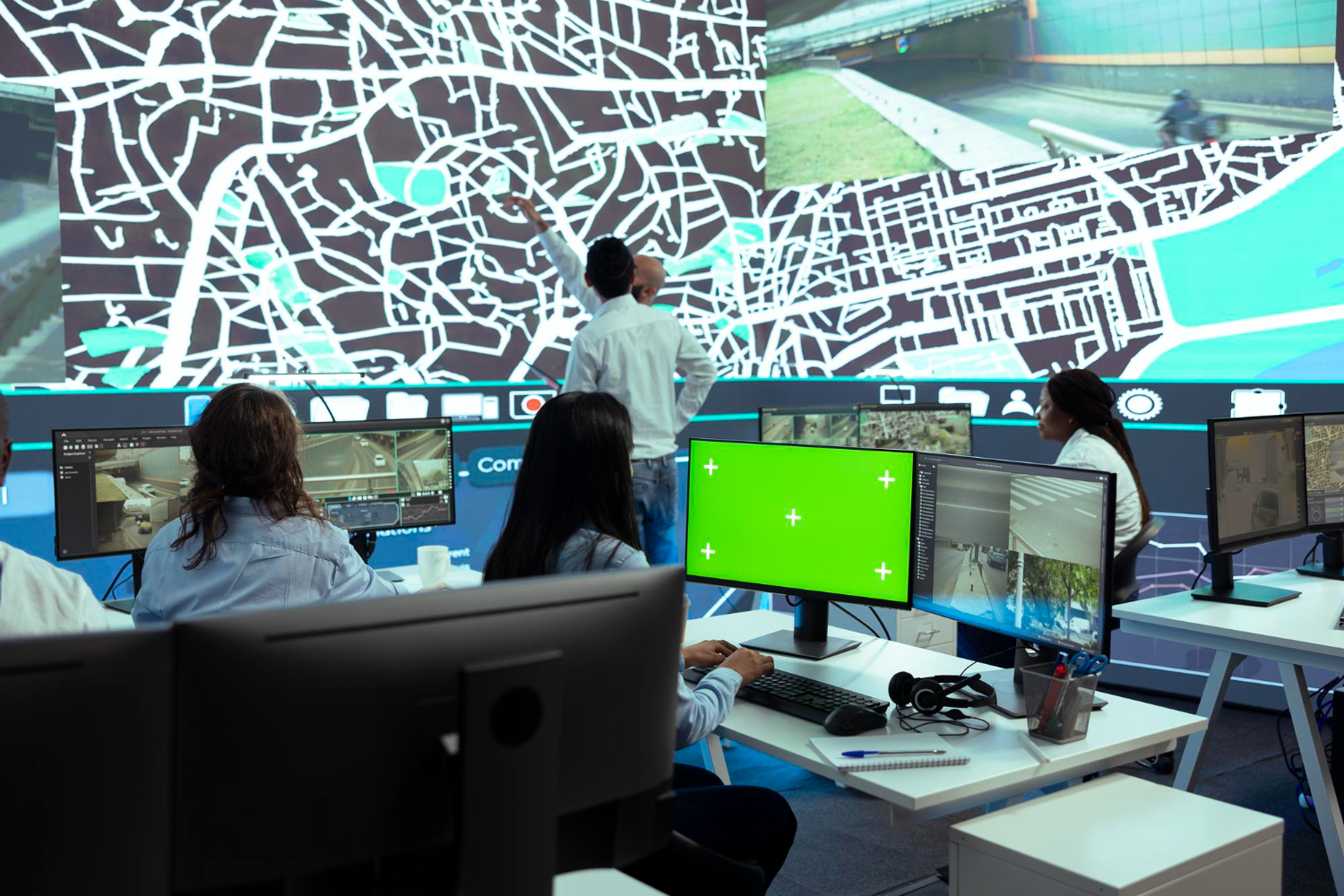
Live Cyber Threat Map: Real-Time Visualization of Global Cyber Attacks
- By cf aphrodite
In today’s rapidly evolving digital environment, cyber threats continue to advance in both volume and sophistication. Organizations worldwide face continuous exposure to ransomware, malware, phishing, botnet attacks, and unauthorized access attempts. To help security teams stay ahead of attackers, tools like the Live Cyber Threat Map are now essential. A Live Cyber Threat Map offers real-time visualization of active cyber attacks, allowing professionals to monitor threat patterns and understand how attacks propagate across regions, networks, and industries.
A Live Cyber Threat Map is more than a digital display of animated attack lines. It functions as a powerful cybersecurity intelligence tool, collecting data from honeypots, threat detection systems, firewalls, and global security networks. By presenting cyber attacks visually as they occur, the map helps companies, cybersecurity students, and the general public stay informed and more aware of digital threats. For individuals planning a career in the security industry, tools like this are invaluable and align with resources such as the Cybersecurity Career Pathway, which outlines essential skills and learning stages for becoming a cybersecurity professional.
What Is a Live Cyber Threat Map?
A Live Cyber Threat Map is an interactive dashboard that displays cyber attacks around the world in real time. These maps compile data from intrusion detection systems, threat intelligence platforms, network sensors, and security logs. The collected information is analyzed, categorized, and visualized on a world map showing attack origins, destinations, types, and frequency.
The primary purpose of a threat map is to provide transparency into global cyber activity and deliver actionable intelligence that can enhance cybersecurity readiness.
How Live Cyber Threat Maps Operate
1. Data Collection
Threat maps gather attack data from:
-
Honeypots
-
Firewall logs
-
Global cybersecurity vendor networks
-
SIEM systems
-
Botnet tracking sensors
-
Public and private threat intelligence feeds
2. Threat Processing
Each attack is analyzed and labeled by type, such as:
-
Ransomware
-
Malware distribution
-
DDoS attacks
-
SQL injection
-
Botnet traffic
-
Phishing attempts
3. Real-Time Display
The map visualizes:
-
Source of attack
-
Target location
-
Type of threat
-
Severity
-
Time and frequency
This level of detail enables fast threat understanding and supports incident response operations.
Benefits of Using a Live Cyber Threat Map
1. Improved Situational Awareness
Organizations gain a real-time view of global cyber activity, helping them understand emerging threats.
2. Faster Threat Detection
Live maps reveal attack spikes and anomalies that could indicate widespread vulnerabilities.
3. Better Incident Response
Security teams can adjust defense strategies based on active patterns of attack.
4. Stronger Threat Intelligence
When combined with frameworks like the Cyber Threat Alliance, real-time maps improve the quality of shared intelligence across organizations and regions.
5. Effective Cybersecurity Training
Threat maps create visual learning experiences ideal for workshops, simulations, and academic environments.
Popular Features Found in Threat Maps
| Feature | Description |
|---|---|
| Real-time attack feed | Visual animation of ongoing cyber attacks. |
| Attack type categorization | Displays malware, DDoS, brute-force attacks, etc. |
| Geo-location mapping | Shows origin and target locations. |
| Threat severity indicator | Rates attack intensity and impact level. |
| Filters and analytics | Helps users focus on specific attack types or regions. |
| Historical data playback | Allows viewing past attack trends. |
These features help businesses optimize cybersecurity decisions and predict potential threat escalation.
Who Benefits from Live Cyber Threat Maps?
Cybersecurity Analysts
Professionals use these maps to monitor live threats, detect new vulnerabilities, and enhance response strategies.
Businesses and Corporations
Companies use threat maps to evaluate their risk exposure, especially those operating internationally.
Government Agencies
National defense relies on real-time insights to monitor attacks targeting public infrastructure and sensitive data.
Students and Educators
Threat maps serve as high-impact learning tools for cybersecurity education, aligning well with structured learning paths like the Cybersecurity Career Pathway.
General Public
Everyday users can observe how frequent and widespread cyber attacks are, promoting better digital awareness.
Limitations of Live Cyber Threat Maps
Although highly informative, there are important limitations:
-
They show only attacks detected by their network sources.
-
Some maps are more educational than technically detailed.
-
Data may have slight delays.
-
Not all types of attacks are captured or displayed.
Despite these limitations, Live Cyber Threat Maps remain valuable tools for cybersecurity visibility and awareness.
Popular Live Cyber Threat Map Providers
Some widely recognized platforms include:
-
Kaspersky Cyberthreat Map
-
Fortinet Threat Map
-
Norse Attack Map
-
Check Point Threat Map
-
FireEye Attack Map
These platforms offer different visualization styles, datasets, and threat intelligence standards.
How Live Cyber Threat Maps Strengthen Cybersecurity Strategy
1. Real-Time Risk Assessment
Security teams can instantly see which regions or sectors face high attack frequency.
2. Enhanced Security Planning
Organizations can adjust firewall rules, strengthen endpoint security, and tune detection systems.
3. Better Training Simulations
Cybersecurity students and teams can study attack patterns and develop real-world response strategies.
4. Investment Prioritization
If ransomware spikes appear globally, organizations know they must invest more in data backup and recovery tools.
Conclusion: Why Live Cyber Threat Maps Are Important Today
The Live Cyber Threat Map plays a critical role in today’s cybersecurity landscape. With cyber attacks increasing rapidly in scale and complexity, organizations must rely on real-time intelligence to anticipate threats. These maps help companies understand attack behavior, predict risk, and enhance cybersecurity readiness. When paired with threat-sharing initiatives such as the Cyber Threat Alliance, they enable faster, more coordinated global responses to cybercrime.
Whether you’re a security professional, a business owner, or a cybersecurity student, Live Cyber Threat Maps offer valuable insights that strengthen awareness and resilience in a digital-first world.
Frequently Asked Questions (FAQ)
1. What is a Live Cyber Threat Map?
It is a real-time tool that visualizes cyber attacks occurring worldwide.
2. Are these maps accurate?
They are accurate based on the data sources available but do not show every attack globally.
3. Who uses Live Cyber Threat Maps?
Security teams, businesses, students, and government agencies.
4. Can I access them for free?
Yes, many threat maps are free and accessible online.
5. How do Live Cyber Threat Maps improve cybersecurity?
They help organizations detect patterns, prepare defenses, and stay aware of global threat activity.