
Biometric Systems: Transforming Global Security and Identity Verification
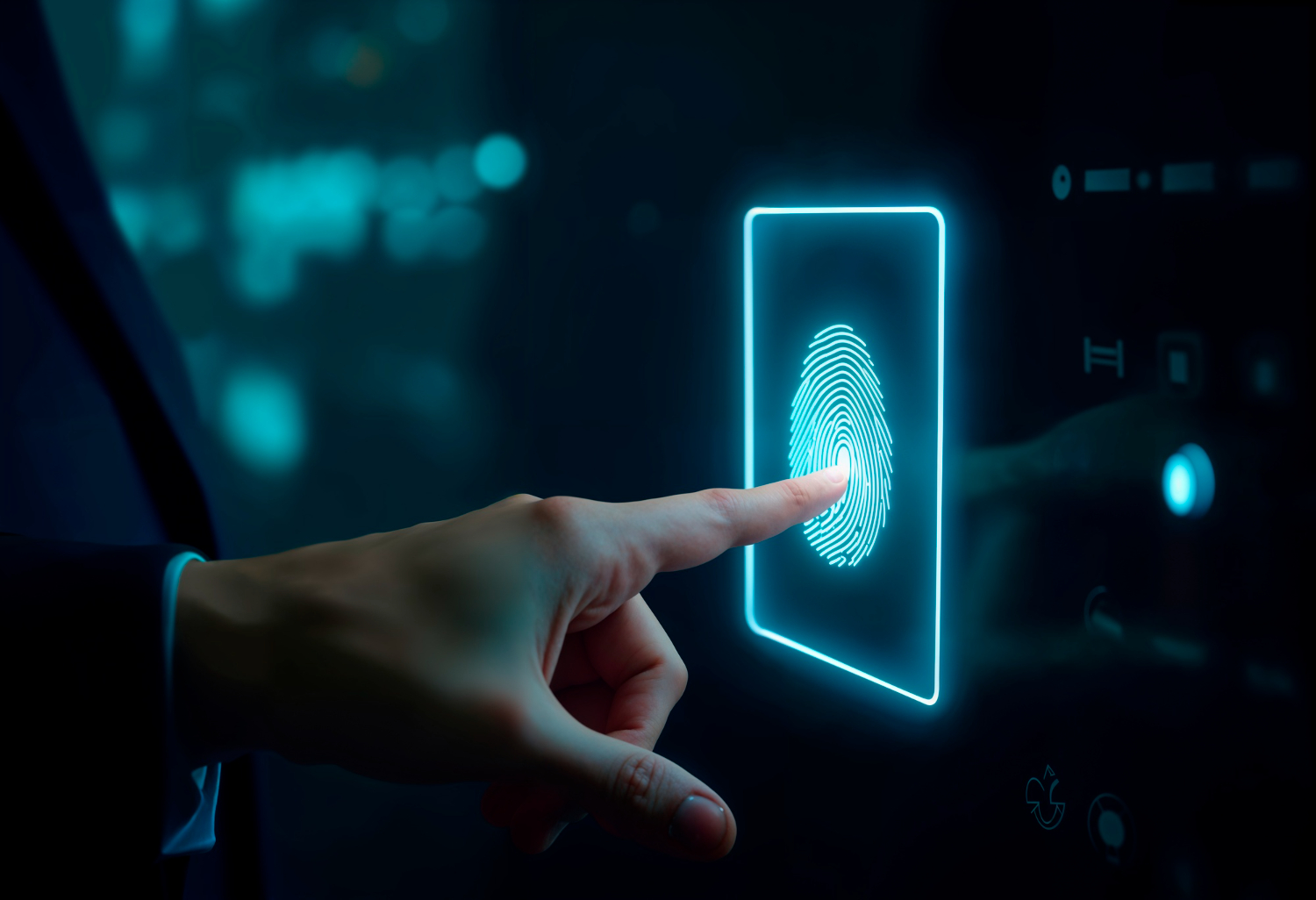
Understanding the evolution of biometric systems is essential for any modern organization today. These advanced technologies utilize unique biological traits to verify a person’s identity with high accuracy. Fingerprints, iris patterns, and facial structures serve as the primary markers for this process. Unlike traditional passwords, biometric data belongs inherently to the individual. This connection makes it significantly harder for criminals to forge or manipulate identity. As cyber threats evolve, the shift toward these biological markers has become a global standard. Standard requirements now exist for banking, healthcare, and border control systems worldwide. By implementing these automated identification frameworks, businesses can streamline user experiences efficiently. This shift also drastically reduces the risk of unauthorized access to sensitive data. This article explores how these technologies work and their diverse strategic applications. We will look at why adopting them is vital in today’s digital-first economy.
The Science Behind Biological Authentication
Biometrics operates on a simple yet powerful principle. Every human being possesses unique physical or behavioral traits. Systems digitize these traits into a mathematical template for secure storage. When a user attempts access, the system compares the live scan against the stored template. This matching process happens in milliseconds, ensuring a seamless user experience.
Experts generally divide the technology into two main categories: physiological and behavioral. Physiological biometrics include stable traits like DNA, ear shape, and retina patterns. Behavioral biometrics analyze patterns such as typing rhythm or voice modulations. These dynamic traits add complexity that static photos cannot easily replicate.
1. Key Types and Technologies in Modern Security
The landscape of biometric systems is diverse and suits various environments. Fingerprint recognition remains the most popular choice due to its low cost. It integrates easily into mobile devices and office entry points. Meanwhile, facial recognition has seen a massive surge in public safety sectors. Iris scanning and vein recognition offer the most secure options available today. These internal traits are nearly impossible for anyone to alter or duplicate.
When businesses implement these technologies, they often seek professional Cyber Security Services for support. These experts ensure the infrastructure remains resilient against sophisticated external attacks. Integrating scanners into a network requires more than just hardware. It demands a secure backend that encrypts and protects sensitive templates. Hybrid systems are now becoming the gold standard for financial institutions. These systems combine two or more factors, such as face and voice recognition. By choosing the right mix, organizations create a frictionless yet highly secure environment.
2. Preventing Identity Theft and Managing Emergencies
Digital identity theft is a primary driver for adopting biological identification. Traditional multi-factor authentication (MFA) using SMS codes is no longer foolproof. Phishing attacks and SIM-swapping continue to evolve and bypass basic security. Biological markers solve this by requiring the person’s physical presence during access. This is vital for government and defense sectors where data leaks cause crises.
However, no technology is entirely immune to every type of risk. If a database leaks biometric templates, the consequences are quite severe. You cannot “reset” your face or fingerprints like a standard password. This reality is why every modern enterprise must prepare. You need a Complete Data Breach response plan to mitigate damage immediately. Proper data handling involves salting and hashing all biometric data. This ensures that even if a leak occurs, the actual images remain unrecoverable. Rigorous response protocols are a necessity for maintaining consumer trust and compliance.
Comparison of Common Biometric Technologies
3. Benefits of Implementing Biometrics in the Workplace
Beyond security, biometric systems offer significant operational advantages for companies. These benefits improve a company’s bottom line and daily workflow. The most obvious gain is the elimination of “buddy punching” in time tracking. This happens when employees clock in for one another dishonestly. Biometrics ensure that payroll reflects actual hours worked by each person.
Furthermore, employees no longer need to remember complex passwords every day. They also do not need to carry physical ID badges that they might lose. Biometrics provide clear proof of who accessed a specific file at any time. Over the years, the cost of managing password resets exceeds the initial hardware investment. Modern cloud-based systems allow companies to manage thousands of users globally. You can monitor multiple locations from a single, centralized dashboard.
By digitizing identity, organizations gain insights into office utilization patterns. This data helps optimize real estate costs and improves workplace safety. During emergencies, you know exactly who is inside the building instantly.
4. Addressing Privacy Concerns and Ethical Use
Every technology that handles personal data raises important ethical questions. Privacy advocates often worry about “surveillance creep” in public spaces. This happens when authorities use facial recognition without clear public consent. Organizations must be transparent about how they collect and store this data. They must also define how they eventually delete the information.
Regulatory frameworks like the GDPR in Europe have strict guidelines. They classify biological markers as “sensitive personal information” by law. These laws require explicit consent and high-level encryption from every company. Organizations that fail to comply face massive fines and reputational damage. Therefore, successful deployment depends on a careful balance. You must combine technical prowess with a commitment to human rights.
5. Future Trends: Toward Continuous Authentication
The future of biometric systems lies in “continuous authentication” methods. Instead of a one-time login, the system constantly monitors the user’s behavior. For example, a laptop could use its camera to check the owner periodically. It could also analyze typing speed to detect an unauthorized user.
This “Zero Trust” approach forms the foundation of modern cybersecurity. As we move toward the Internet of Things (IoT), identity becomes the ultimate key. It will unlock your car, your home, and your workspace automatically. The goal is to make security invisible yet invincible for the user.
FAQ: Frequently Asked Questions about Biometrics
1. Can criminals fool biometric systems with photos?
Modern systems use “liveness detection” to prevent this. Users must blink or move their head to prove they are human.
2. What happens if I injure my finger?
Most systems allow you to enroll multiple fingers. Facial recognition also recognizes users despite minor changes like glasses or facial hair.
3. Does the system store my actual fingerprint image?
No. Most secure systems convert the image into a mathematical hash. The original image is discarded, and only the code remains.
4. Are biometric systems expensive to maintain?
Initial setup has costs, but maintenance is relatively low. You save money by not replacing lost cards or resetting passwords.
Checklist for Implementing Biometrics
-
[ ] Define the Purpose: Determine if you need it for physical or digital access.
-
[ ] Choose the Modality: Select face, finger, or iris based on your specific environment.
-
[ ] Verify Compliance: Ensure your storage methods align with local privacy laws.
-
[ ] Select a Partner: Work with experts who can integrate biometrics into your IT safely.
-
[ ] Educate Staff: Explain the benefits and privacy safeguards to your employees clearly.
Conclusion
In summary, biometric systems represent the most reliable evolution in identity management. By moving away from vulnerable passwords, society creates a much safer digital environment. While privacy challenges remain, the benefits of security and efficiency are too significant to ignore. Enhanced fraud prevention protects both the company and the individual user.
Technology continues to advance and integrate into our daily lives. Eventually, identity will become the ultimate security perimeter for everyone. Staying informed about these trends is the first step toward a secure future. This transition is a fundamental shift in how we protect who we are.
Would you like me to help you design a specific implementation strategy for your office or provide a deeper dive into the legal requirements for your region?