
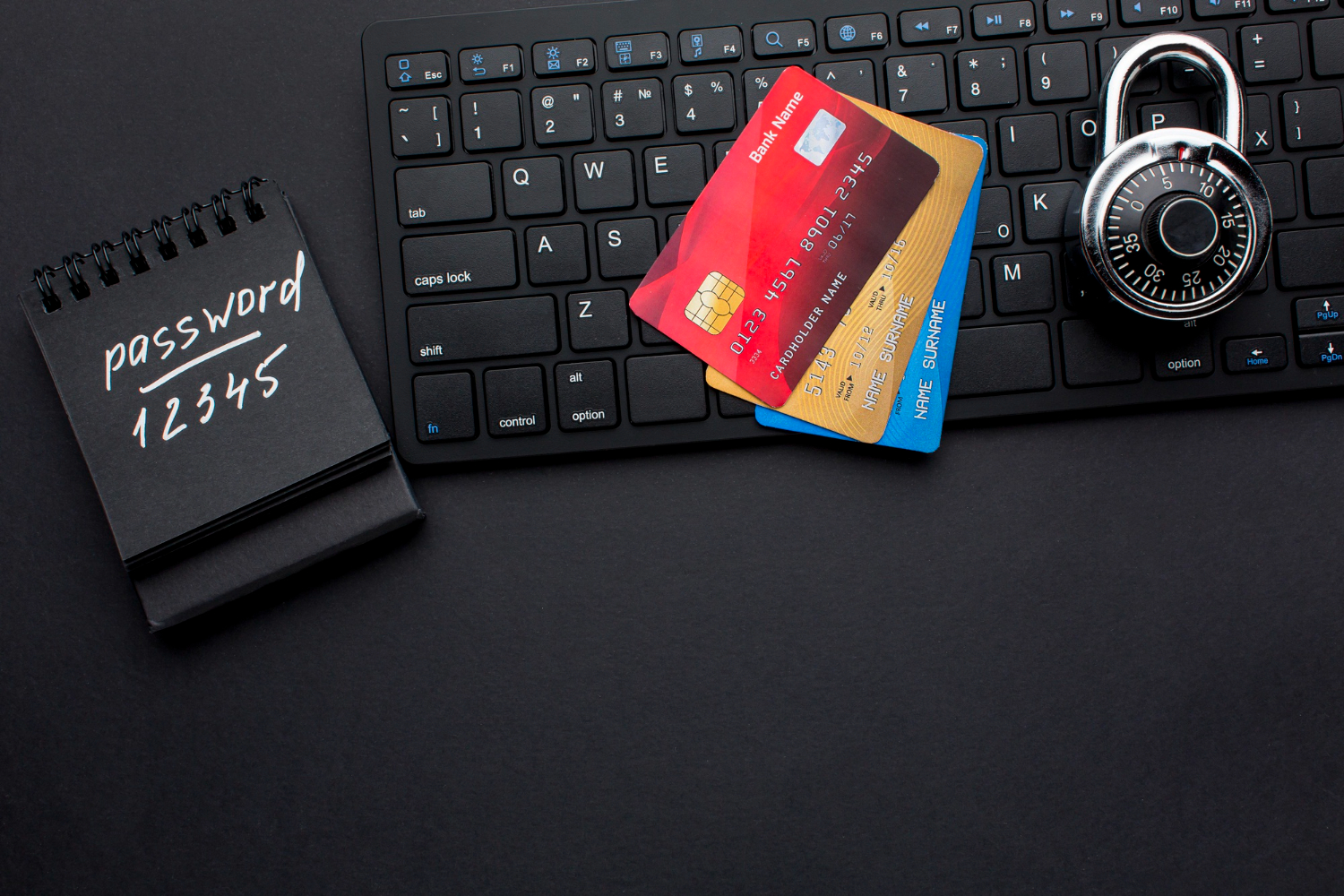
Credit Card Fraud Protection: A Comprehensive Guide to Safe Payments
Imagine checking your monthly statement only to find thousands of dollars in charges for luxury items you never bought, in a city you’ve never visited. As digital transactions become the default in 2026, credit card fraud protection is no longer just a banking feature—it is your primary shield against financial identity theft. With hackers using increasingly sophisticated AI to skim data, understanding how to lock down your accounts is essential for anyone with a wallet.
Fraud doesn’t just cost you money; it costs you time, credit score stability, and peace of mind. While banks have improved their detection algorithms, the ultimate responsibility for “first-line defense” rests on your shoulders. Let’s dive into the mechanisms of modern fraud and the strategies you can use to stay invisible to cybercriminals.
How Credit Card Fraud Happens in the Modern Era
Fraud has evolved far beyond someone physically stealing your plastic card. Today, “Card-Not-Present” (CNP) fraud is the most common threat, occurring through data breaches, phishing emails, and malicious websites. Criminals use “brute-force” bots to guess expiration dates and CVV codes in seconds, making credit card fraud protection a 24/7 necessity.
In more complex scenarios, payment data can be intercepted through compromised hardware. This is where the concept of Cyber Physical Security Systems comes into play. These systems bridge the gap between physical hardware—like a Point of Sale (POS) terminal or an ATM—and the digital network. If the physical hardware is tampered with (skimming), the entire digital security chain can break, leading to mass data theft.
1. Proactive Credit Card Fraud Protection Strategies
The best way to handle fraud is to prevent it from happening in the first place. Modern banking apps offer a variety of “toggles” that can drastically reduce your risk profile.
-
Enable Instant Notifications: Set your app to alert you for every transaction over $0.01. This allows you to spot a “test charge” (usually a small $1.00 transaction) before the fraudster attempts a large purchase.
-
Use Virtual Cards: Many banks now allow you to generate “one-time use” card numbers for online shopping. Even if the merchant is breached, that specific card number becomes useless immediately after.
-
Geographic Blocking: If you aren’t traveling, disable international transactions in your bank’s mobile app.
For businesses and large institutions, securing financial data also requires an infrastructure-level backup. Just as a company might utilize a what is a disaster recovery site to keep operations running after a server failure, individuals should have a “financial backup plan”—such as a secondary card from a different bank—to use if their primary card is frozen due to fraud detection.
2. Common Scams to Watch For in 2026
Even with the best credit card fraud protection, human error remains the biggest vulnerability. Fraudsters often use social engineering to trick you into handing over your security codes.
Phishing and Smishing
You receive a text (Smishing) or email (Phishing) claiming your account has been suspended. It includes a link to a “mirror” site that looks exactly like your bank’s login page. Once you enter your credentials, the hacker has full access.
Bin Attack (Credit Card Cracking)
Hackers use software to generate and test thousands of credit card numbers based on known Bank Identification Numbers (BINs). They don’t need to steal your physical card; they simply “guess” your number through sheer computational power.
Comparison: Security Features of Leading Card Issuers
To help you choose the right provider, here is a comparison of standard credit card fraud protection features available in 2026:
| Security Feature | Traditional Banks | Fintech/Neo-Banks | Premium Credit Cards |
| Zero Liability Policy | Yes (Standard) | Yes | Yes (Enhanced) |
| Virtual Card Numbers | Limited | Standard | Standard |
| AI-Based Monitoring | High | Very High | Elite/Personalized |
| Instant Card Freeze | Via App/Phone | Instant (In-App) | Instant (In-App) |
| Biometric Approval | Occasional | Always (FaceID/Fingerprint) | Always |
3. The Zero Liability Policy: Your Legal Safety Net
One of the most powerful tools in credit card fraud protection is the Zero Liability Policy offered by major networks like Visa, Mastercard, and American Express. This policy ensures that you are not held responsible for unauthorized charges, provided you report them promptly.
Steps to Take if Fraud is Detected:
-
Freeze the Card: Immediately use your banking app to “lock” or “freeze” the card to prevent further charges.
-
Report to the Issuer: Call the fraud department. They will cancel the compromised card and issue a new one with a different number.
-
Update Auto-Pays: Remember to update your subscription services (Netflix, Gym, Utilities) with the new card details once it arrives.
-
File a Police Report: While not always necessary for small amounts, a police report is vital for large-scale identity theft cases.
Advantages and Disadvantages of High-Security Card Settings
Advantages:
-
Financial Peace of Mind: Knowing you won’t lose your hard-earned savings to a hacker.
-
Credit Score Protection: Prevents fraudulent debt from ruining your credit history.
-
Automated Safety: Modern AI can block suspicious transactions faster than you can blink.
Disadvantages:
-
False Positives: Sometimes the bank might block your legitimate purchase (e.g., buying an expensive item while on vacation) because it looks like fraud.
-
Inconvenience: Having to wait 5-7 business days for a replacement card if your current one is compromised.
-
Verification Fatigue: Having to provide OTPs (One Time Passwords) for every small online purchase can be tedious.
Expert Tips for Maximum Security (E-E-A-T)
As a cybersecurity specialist, I recommend adopting a “Zero Trust” mindset regarding your financial data. Here are expert-level tips for credit card fraud protection:
-
Avoid Public Wi-Fi for Banking: Never log into your bank or shop online while connected to airport or coffee shop Wi-Fi unless you are using a reputable VPN.
-
Ditch the Magnetic Stripe: Always use the “EMV Chip” or “Tap to Pay” (NFC). The magnetic stripe is easily cloned, whereas the chip generates a unique code for every transaction.
-
Monitor Your Credit Report: Use services like Experian or TransUnion to check for new accounts opened in your name. Fraudsters often use stolen card info to try and open new lines of credit.
-
Store Cards in Digital Wallets: Apple Pay and Google Pay use “tokenization.” This means the actual merchant never sees your real credit card number, making it one of the safest ways to pay.
Verdict (Conclusion)
The battle for credit card fraud protection is an ongoing race between bank security and criminal innovation. While technology like tokenization and AI monitoring has made us safer, the human element—your awareness and habits—remains the most critical factor. By using virtual cards, enabling instant alerts, and staying skeptical of unsolicited messages, you can significantly reduce your risk of becoming a statistic.
Don’t wait for a suspicious charge to appear. Take five minutes today to dive into your banking app settings and turn on the security features that protect your future.
