
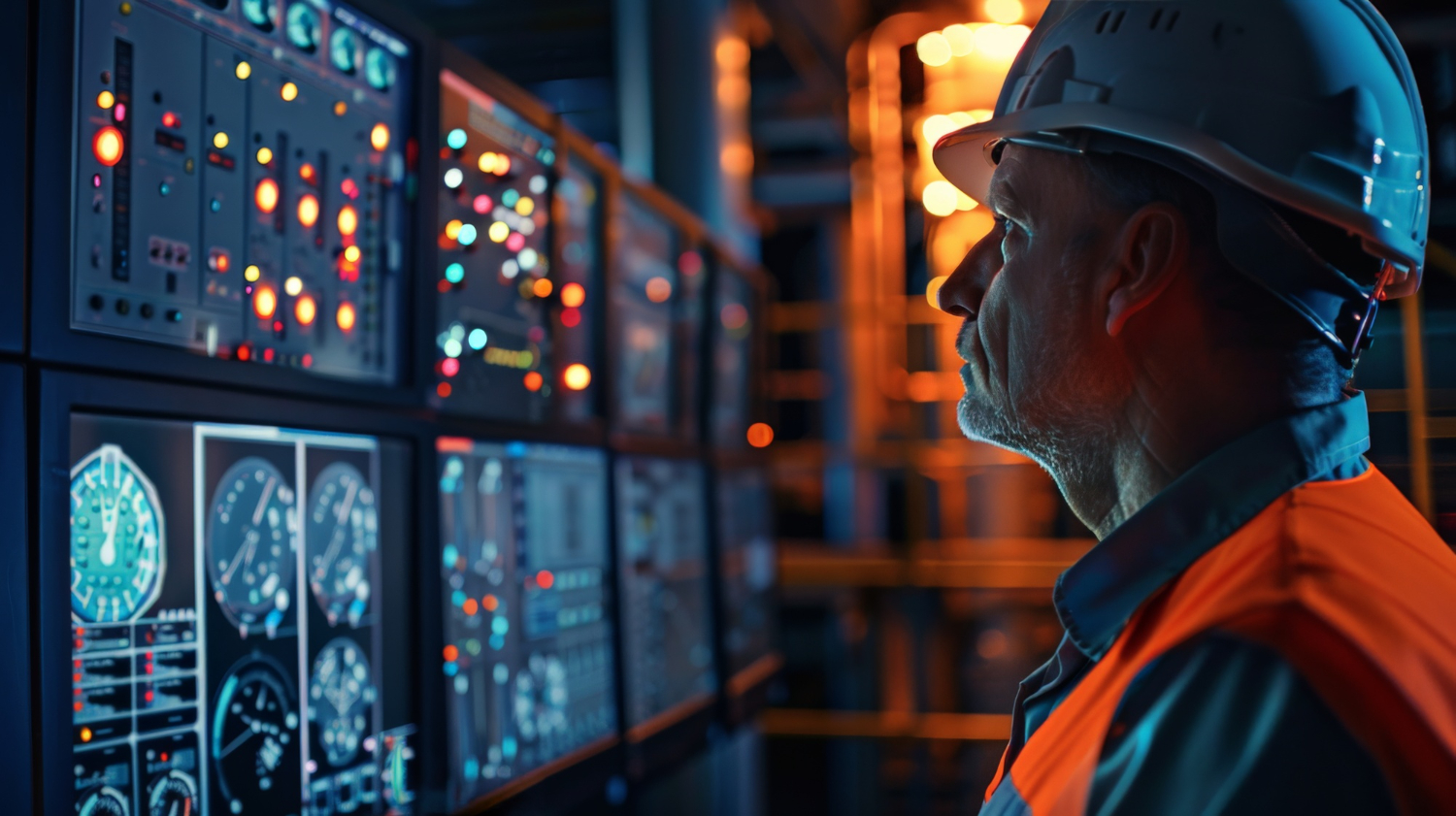
Top Threats to Critical Infrastructure in 2026: Ensuring National Resilience
Understanding the evolving threats to critical infrastructure is now a vital necessity for global stability. Critical infrastructure forms the backbone of modern society. For example, it includes power grids, water plants, and healthcare systems. However, as we move into 2026, these essential services face an unprecedented array of dangers.
These risks range from sophisticated state-sponsored cyber espionage to extreme climate events. The convergence of Information Technology (IT) and Operational Technology (OT) has opened new doors for malicious actors. A single breach in a power station can lead to cascading failures that jeopardize public safety. Consequently, identifying these vulnerabilities is the top priority for security experts worldwide. This guide explores the most pressing challenges today and provides a roadmap for a resilient future.
The Convergence of Physical and Digital Risks
In previous decades, security experts viewed physical and digital threats as separate entities. However, the modern landscape has blurred these lines significantly. Today, a cyberattack can cause physical destruction, such as overpressurizing a gas pipeline. This “cyber-physical” crossover represents one of the most terrifying aspects of current security challenges.
As nations digitize their utility networks, they often overlook aging hardware. These legacy systems now connect to global networks, making them easy targets for ransomware groups. Therefore, organizations must invest in advanced hardware security immediately. Implementing high-end Access Control Systems is a critical first step. By limiting physical access, agencies ensure that the core machinery remains protected from manual tampering. This adds a vital layer of defense even if the digital perimeter fails.
1. Cybersecurity: The New Frontline for Essential Services
Cybersecurity remains the most dynamic of all threats to critical infrastructure. In 2026, we see the rise of AI-driven malware that bypasses traditional firewalls. Ransomware-as-a-Service (RaaS) has also lowered the barrier to entry for criminal organizations. These groups now target small-scale municipalities that possess limited IT budgets.
Furthermore, state-sponsored actors increasingly use “living-off-the-land” techniques. This involves using legitimate system tools to carry out malicious activities. Such methods make detection nearly impossible for standard antivirus software. To counter this infiltration, identity management has become the ultimate defense layer. Many facilities now move toward zero-trust architectures and Biometric Systems to verify personnel. These systems ensure that only verified technicians can access critical command consoles. As a result, this significantly reduces the risk of stolen credentials.
2. Physical and Environmental Vulnerabilities
While cyber threats dominate the headlines, physical threats to critical infrastructure are equally dangerous. This includes intentional acts of sabotage on electrical substations. Furthermore, the increasing frequency of natural disasters puts immense strain on national networks.
-
Sabotage and Vandalism: Attackers often target transformers located in remote areas with minimal surveillance.
-
Climate Change: Rising sea levels put immense strain on cooling systems for data centers.
-
Supply Chain Disruptions: Dependency on foreign-made components can lead to “backdoors” in critical hardware.
-
Drone Warfare: The proliferation of low-cost drones has created a new aerial threat for oil refineries.
Critical Infrastructure Threat Comparison Table
3. The Impact of Artificial Intelligence on Security
AI acts as a double-edged sword in the security world. On one hand, hackers use AI to automate the discovery of software vulnerabilities. On the other hand, defense systems use AI to monitor traffic patterns in real-time. Therefore, the battle for infrastructure security in 2026 is essentially an “AI vs. AI” conflict.
Organizations must prioritize “Resilience by Design” for every new project. This means engineers must integrate security into the foundation of every tower or plant. Automated response systems can now isolate a compromised segment of the grid within milliseconds. Consequently, these smart technologies prevent total blackouts. Investing in these tools is the only way to keep pace with modern digital warfare.
FAQ: Frequently Asked Questions
1. What is considered “Critical Infrastructure”?
It refers to the 16 sectors defined by governments, including Energy, Water, and Healthcare. If these sectors fail, national security and public health suffer immediately.
2. Why are water systems more vulnerable than power grids?
Local municipalities often manage water systems with smaller budgets. This makes them easier targets for hackers looking for a “soft” entry point compared to national power companies.
3. How can Biometrics improve infrastructure safety?
Biometrics provide a non-transferable way to verify identity. Unlike passwords, which people can share, an iris scan ensures the operator is exactly who they claim to be.
Checklist for Securing Critical Assets
-
[ ] Network Segmentation: Separate office networks from industrial control systems.
-
[ ] Multi-Factor Authentication (MFA): Implement MFA using biometrics for all admin accounts.
-
[ ] Physical Perimeter Defense: Equip all substations with modern access logs and motion sensors.
-
[ ] Incident Response Plan: Conduct regular “War Game” simulations to test staff reactions.
-
[ ] Vendor Auditing: Verify the security standards of all third-party hardware providers.
Conclusion
In conclusion, the threats to critical infrastructure are evolving at a breakneck pace. We must move beyond simple “defense” and focus on “resilience” instead. This means we must build systems that can take a hit and keep functioning. Whether the danger comes from a keyboard abroad or a storm at home, the goal remains the same.
By combining digital defenses with physical security measures like biometric controls, we can build a shield. The year 2026 will be a turning point in this ongoing struggle. Those who invest in modernizing their defenses now will survive the challenges of tomorrow. Security is not a one-time purchase; rather, it is a continuous commitment to innovation. Your vigilance today ensures a safer society for everyone tomorrow.
Would you like me to develop a specific risk-management framework for your industry, or would you like to see a detailed analysis of the top cybersecurity tools for 2026?
