
Access Control Systems: Strengthening Physical and Digital Security
Implementing robust access control systems is now a fundamental requirement for any organization looking to protect its physical assets and sensitive data. In today’s rapidly evolving threat landscape, traditional locks and keys are no longer sufficient to deter sophisticated intruders. Modern systems offer a dynamic way to manage who enters your building, which areas they can access, and at what specific times. By utilizing electronic credentials instead of mechanical keys, businesses can gain unprecedented visibility into the movement of people within their facilities. Furthermore, the ability to instantly revoke access rights for former employees or lost cards significantly reduces the risk of unauthorized entry. Whether you manage a small office or a large industrial complex, understanding the different types of authentication technologies is the first step toward building a safer environment. This guide explores the core components of these systems, the latest technological trends, and how to integrate them into your broader security infrastructure for maximum protection.
The Convergence of Physical and Cyber Security
A major shift in the industry involves the integration of physical hardware with digital networks. Access control is no longer an isolated system; it is now a critical node in a company’s information technology ecosystem. When physical entry points are connected to the network, they become potential entry points for hackers if they are not properly secured. Therefore, administrators must ensure that the software managing the doors is just as secure as the doors themselves.
To ensure your infrastructure remains resilient, you should always follow Cybersecurity Best Practices when setting up your network-connected devices. Encrypting data transmissions between readers and controllers is essential to prevent “replay attacks” where an intruder captures a valid signal to use later. Additionally, regular software updates and strong password policies for security administrators are non-negotiable. By bridging the gap between physical guards and digital firewalls, organizations create a layered defense strategy. This holistic approach ensures that an intruder who manages to bypass one layer is still blocked by several others. High-level security is about creating multiple hurdles for an attacker, and a well-configured access system serves as one of the most effective barriers available today.
Choosing the Right Authentication Technology
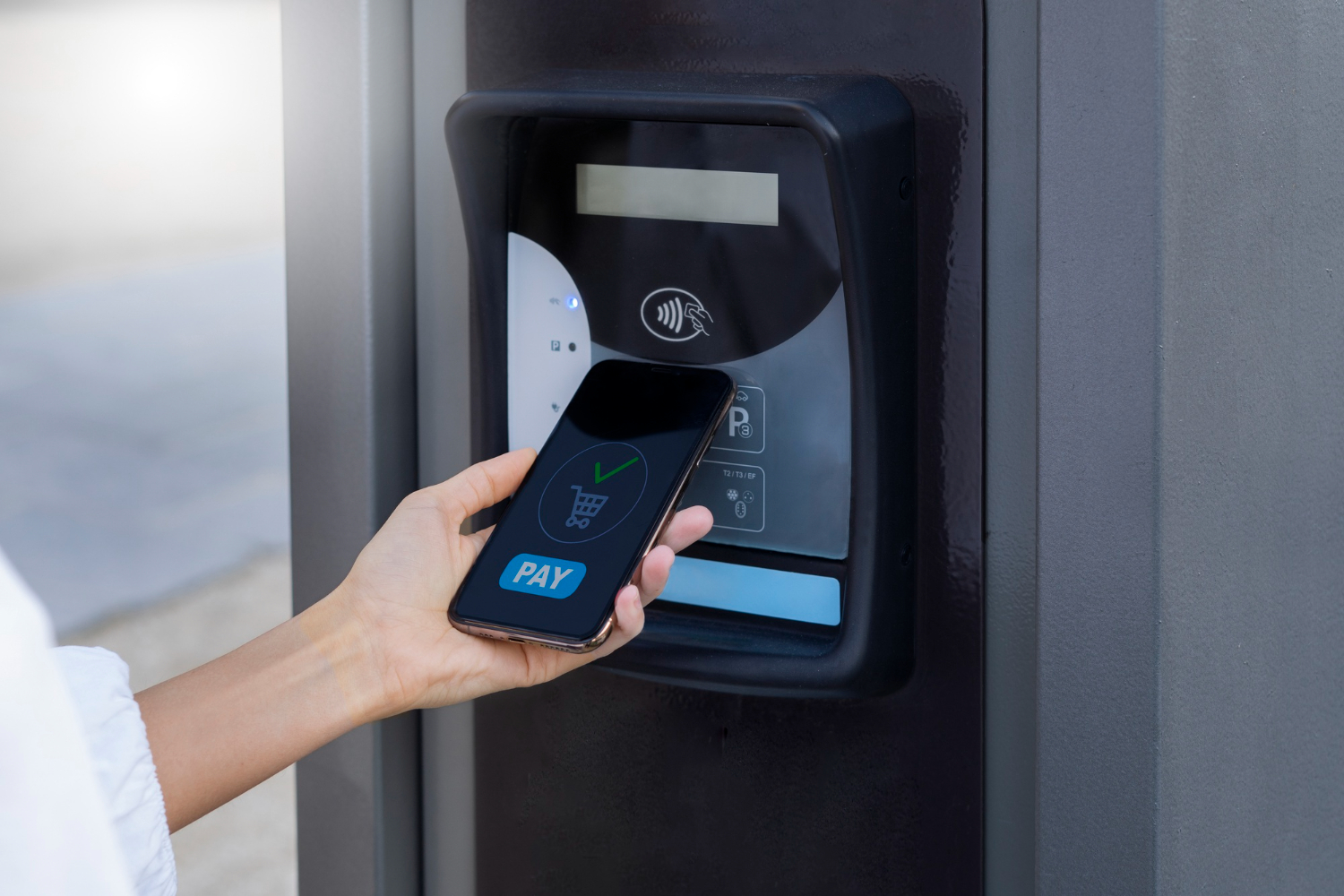
Selecting the right method for identifying users is a balance between security and convenience. Some organizations prioritize speed, while others require high-assurance verification. Common methods include proximity cards, mobile credentials, and biometric scanners such as fingerprint or facial recognition. Mobile access, in particular, is gaining massive popularity because users rarely lose their smartphones compared to plastic ID badges.
Furthermore, protecting the workstations that manage these security databases is equally vital. You should invest in the Best Internet Security Software to protect the servers that store user credentials and access logs. If a malicious actor gains control of your security server through a virus or malware, they could potentially unlock every door in your facility remotely. Modern access control systems often feature cloud-based management, which allows security teams to monitor multiple sites from a single dashboard. This centralization improves response times during emergencies, such as a site-wide lockdown. However, cloud systems require a stable and secure internet connection to function optimally. Always evaluate the reliability of your service provider and ensure they have redundant systems in place. By combining high-quality physical readers with top-tier cybersecurity software, you create a truly impenetrable security posture.
Key Components of a Modern Security Setup
To understand how these systems function, it is important to break down the hardware and software components that work together behind the scenes:
-
Access Credentials: These are the “keys” of the system, which can be cards, fobs, mobile apps, or biometric data.
-
Card Readers: Devices installed next to doors that read credentials and send the data to the controller.
-
Access Control Panels: The “brains” of the system that decide whether to grant or deny access based on the database.
-
Electronic Locks: Magnetic locks (maglocks) or electric strikes that physically secure or release the door.
-
Management Software: The interface used by administrators to add users, set schedules, and view audit trails.
Table: Comparison of Access Control Technologies
Benefits of Implementing Managed Access
Moving away from traditional keys offers several operational advantages that go beyond simple security. First, the “Audit Trail” feature allows managers to see exactly who entered a specific room and at what time. This is invaluable for internal investigations or compliance audits. Second, you can implement “Time-Based Access,” ensuring that cleaning crews or contractors can only enter the building during their scheduled shifts.
Another significant benefit is the elimination of re-keying costs. When a mechanical key is lost, you often have to change every lock in the building, which is expensive and time-consuming. With an electronic system, you simply delete the lost credential from the software and issue a new one in seconds. This flexibility allows businesses to scale their security as they grow without needing to replace the entire infrastructure. Finally, integration with other systems, such as CCTV and fire alarms, provides a comprehensive safety net. For example, in the event of a fire, the system can be programmed to automatically unlock all doors to allow for a safe evacuation.
FAQ: Frequently Asked Questions about Access Control
1. Can access control systems work during a power outage?
Yes, most professional systems include backup battery units that keep the locks and readers functioning for several hours. For long-term outages, locks can be configured to “fail-safe” (unlock) or “fail-secure” (stay locked) depending on safety regulations.
2. Is it possible to integrate this with my existing CCTV?
Absolutely. Integration allows the system to trigger a camera to record a clip whenever a specific door is opened or if an unauthorized “forced entry” attempt is detected.
3. What is the difference between Fail-Safe and Fail-Secure?
Fail-Safe means the door unlocks when power is lost (best for life safety). Fail-Secure means the door stays locked when power is lost (best for protecting high-value assets).
4. How many users can these systems handle?
Modern cloud-based and enterprise systems can handle anywhere from ten users to tens of thousands across multiple global locations.
5. Can I manage the system from my phone?
Yes, most modern providers offer a mobile app for administrators to lock/unlock doors and manage users from anywhere in the world.
Conclusion
In conclusion, investing in advanced access control systems is one of the most effective ways to modernize your business’s safety protocols. These systems provide a sophisticated blend of physical barrier protection and digital management efficiency. By choosing the right credentials and integrating them with a secure network, you can protect your staff, your data, and your physical property from various threats.
Remember that security is a continuous process, not a one-time purchase. Regularly review your access logs, update your software, and train your employees on how to use their credentials safely. As technology continues to advance, staying informed about new authentication methods will help you maintain a competitive and secure business environment. A well-protected facility not only prevents loss but also provides peace of mind for everyone who enters your doors. Take the first step today by auditing your current entry points and exploring the scalable options that fit your specific needs.
Would you like me to help you design a specific hardware checklist for your office layout or provide a comparison of the top five access control brands?
